



Phone:
+86-15978414719
Publish Time: 2026-04-21 Origin:https://www.hmaluminumsupply.com
In the past 3 months, many English-language questions on Google, Quora, and industry forums have focused on one practical topic: is alloy 5052 H32 the right aluminum choice for real production needs. New purchasers often compare it with 6061, ask whether it can be bent without cracking, and want to know if the higher price is justified by corrosion resistance and workability.
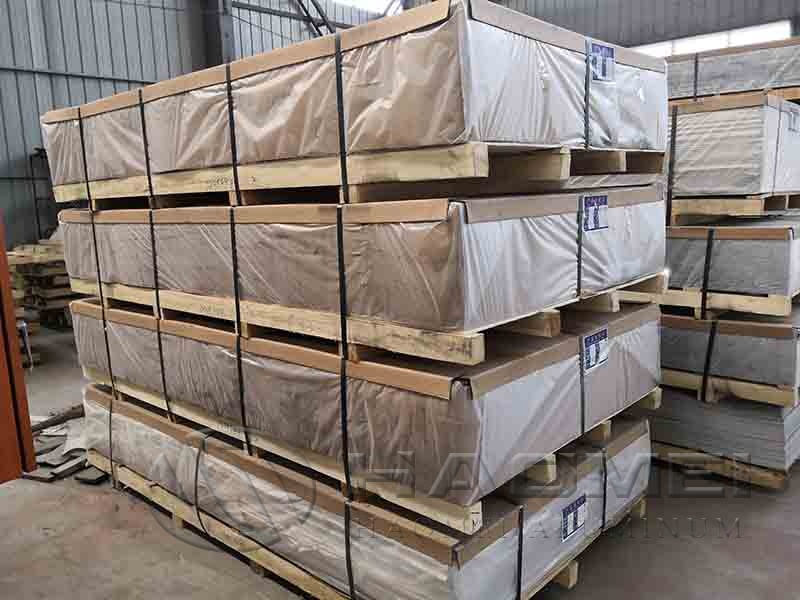
Below are 5 hot questions that closely match what real people have been asking recently, followed by original answers written for companies sourcing aluminum for fabrication, enclosures, tanks, panels, and formed parts.
| Question | What people usually want to know | Short answer |
|---|---|---|
| Is alloy 5052 H32 stronger than 6061? | Strength vs forming ability | 6061 is generally stronger, but 5052 H32 bends and resists corrosion better |
| Can 5052 H32 be bent without cracking? | Suitability for formed parts | Yes, it has very good bendability compared with many stronger tempers |
| Is 5052 H32 good for outdoor or marine use? | Corrosion performance | Yes, especially in humid and mildly salty environments |
| Can alloy 5052 H32 be welded easily? | Fabrication and assembly | Yes, it is commonly selected for good weldability |
| Why is 5052 H32 sometimes priced above other aluminum grades? | Cost vs value | The premium often reflects corrosion resistance, formability, and stable demand |
This is one of the most common comparison questions. The short answer is no, 6061-T6 is usually stronger in terms of tensile and yield strength. However, strength alone does not decide the better material.
Alloy 5052 H32 offers a more balanced combination of moderate strength, excellent corrosion resistance, and strong forming performance. If a part needs deep bending, rolling, or edge forming, 5052 H32 is often the safer option. In contrast, 6061 is often selected when machining performance and higher structural strength are more important than bendability.
For many covers, cabinets, brackets, tanks, and decorative or functional panels, 5052 H32 performs very well because it reduces cracking risk during fabrication. That is why many fabricators prefer it even when another alloy has a higher strength number on paper.
If your project involves shaped parts rather than heavily machined structural members, 8011 5052 Aluminum Sheet for Auto Parts Mechanical Processing and Electricity may be relevant when evaluating application fit.
Yes, and this is exactly why demand remains strong. The H32 temper means the material has been strain hardened and then stabilized. In practical terms, it gives a useful balance: stronger than softer tempers, but still workable enough for many bending operations.
Whether cracking happens depends on several real shop factors, not just the alloy name:
Bend radius
Material thickness
Rolling direction
Tooling condition
Surface quality
Speed and consistency during forming
Compared with many alternatives, 5052 H32 usually handles bending well, especially for enclosures, covers, channels, and formed panels. If a very tight bend is required, it is smart to confirm minimum bend radius with the supplier before purchase. Buyers should also ask whether protective film is available to reduce surface scratches during processing. For appearance-sensitive applications, Factory Customized Aluminium Aluminum Plain Flat Plate with PE Film One Side is a useful reference when surface protection matters.
Yes. One reason 5052 H32 remains popular is its excellent resistance to corrosion, especially compared with many general-purpose aluminum grades. It performs well in humid air, industrial atmospheres, and light marine exposure.
That does not mean every seawater application should automatically use 5052 H32. In more aggressive marine environments, some engineers may move to 5083 or another higher-performance marine alloy. But for many trailers, fuel tanks, signage structures, equipment covers, and exterior panels, 5052 H32 is a practical and cost-effective option.
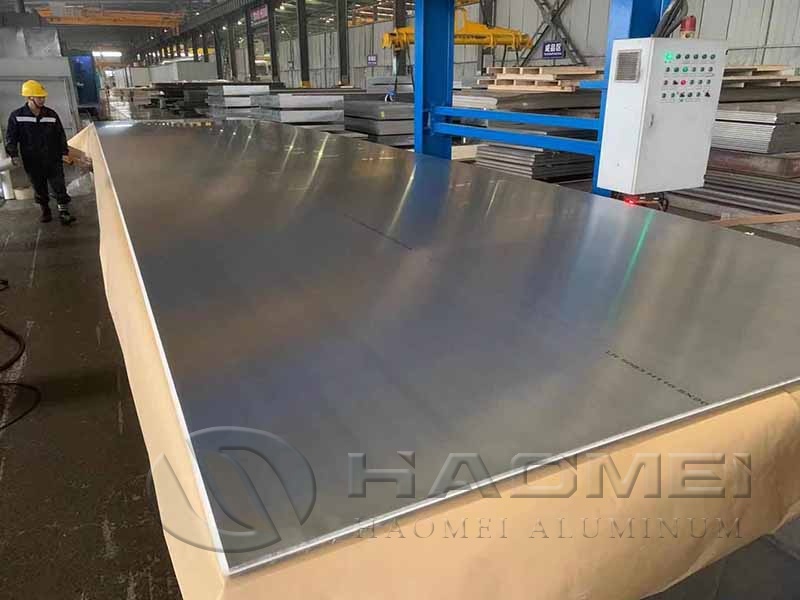
A useful buying tip is to define the service environment clearly. Ask these questions before ordering:
Will the material face salt spray or only outdoor rain and humidity?
Is cosmetic appearance important after long exposure?
Will the part be welded after forming?
Does it need anodizing or painted finishing?
These details help determine whether standard 5052 H32 is enough or whether a more specialized grade from the Special aluminum materials range should be considered.
Yes. Another reason it is frequently discussed online is its strong reputation for weldability. For fabricated products such as tanks, cabinets, housings, and transportation parts, welding performance matters almost as much as base material strength.
5052 H32 can be welded by common aluminum welding methods, and it generally maintains useful corrosion resistance after fabrication. This makes it attractive for products that combine cutting, bending, and joining in one production flow.
That said, purchasers should still ask suppliers about flatness, edge condition, and thickness tolerance, because these affect welding consistency. If the material arrives with poor flatness or unstable thickness, the final assembly may become harder even if the alloy itself is weld-friendly.
This is a very practical question from new sourcing teams. Price is shaped by more than just alloy chemistry. In many cases, alloy 5052 H32 costs more than basic commercial grades because it offers a more valuable property mix.
Here are the main reasons:
| Price factor | Why it matters |
|---|---|
| Alloy composition | Magnesium content supports corrosion resistance and forming performance |
| Temper control | H32 requires controlled processing and stabilization |
| Market demand | 5052 is widely used in transport, electronics, and fabricated parts |
| Surface and flatness requirements | Higher visual or forming standards increase processing cost |
| Thickness and order size | Thin gauges, special cut sizes, or small batches usually cost more |
For purchasing teams, the better question is not only, "What is the price per ton?" but also, "What is the finished-part cost after bending, welding, and scrap loss?" In many cases, 5052 H32 saves money during processing because it reduces forming defects and improves durability in service.
When asking for quotations, it helps to provide:
Thickness and width
Temper requirement, especially H32
End use
Surface standard
Need for film protection
Quantity and repeat order forecast
These details usually lead to a faster and more accurate offer, and they also reduce the risk of receiving material that is technically correct but unsuitable for the actual application.
With the development of dozens of years, we, Haomei Aluminum has solid base to provide clean aluminum material for the high-end applications including lithium-ion battery, lightweight automobile body, 3c products, aluminum brazing and other special uses.