



Phone:
+86-15978414719
Publish Time: 2026-05-07 Origin:https://www.hmaluminumsupply.com
Holiday demand is not limited to toys, phones, power banks, and e-bikes. It also reaches upstream materials. In May and June, cell makers and pack assemblers are already planning for summer shutdowns, China National Day on October 1-7, Diwali 2026 on November 8, Black Friday 2026 on November 27, and Christmas on December 25.
For aluminum sheet, strip, coil, foil, and circle sourcing teams, the practical risk is simple: if cathode current collector foil arrives late or fails incoming inspection, holiday production slots cannot be recovered easily. This article focuses on one concern: securing clean, consistent battery-grade foil before seasonal capacity tightens.
The International Energy Agency reported in Global EV Outlook 2024 that electric car sales approached 14 million units in 2023, about 18% of all cars sold. That demand pulls on lithium-ion cell output, and cell output pulls on aluminum current collector foil. Consumer electronics peaks add another layer before Black Friday, Christmas, and regional gift seasons.
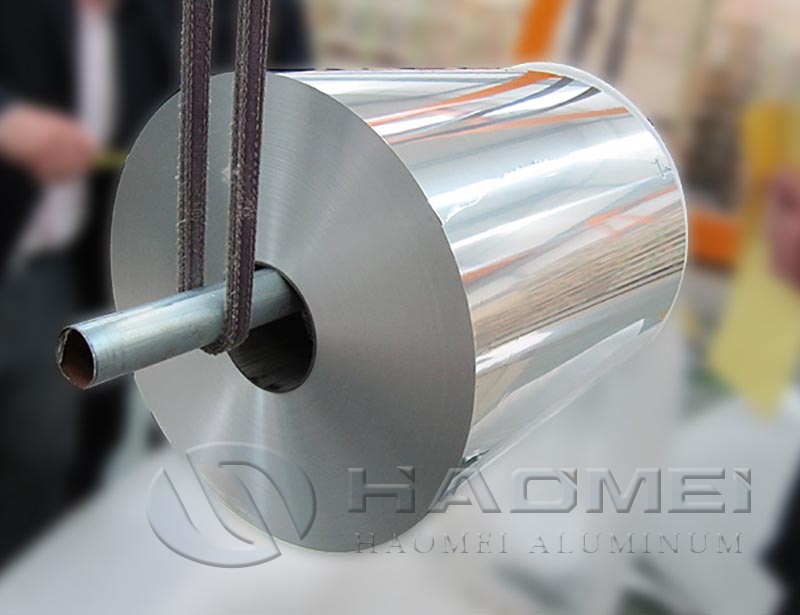
Battery aluminium foil is usually used as the positive electrode current collector in lithium-ion cells. For holiday production, the specification is not only about alloy selection. It is about whether every coil can run through coating, drying, slitting, winding, stacking, and formation with minimal stoppage.
Use this timing matrix before placing May-June orders:
| Holiday or market window | 2026 date or period | Foil action needed | Risk if delayed |
|---|---|---|---|
| European summer shutdowns | July-August | Confirm rolling, slitting, and vessel space before July | Slower replies and limited production changes |
| China National Day | October 1-7 | Finish inspection and export documents by mid-September | Port and trucking pressure around the holiday |
| Diwali | November 8 | Ship material for India-related electronics and storage programs early | Air and ocean capacity competition |
| Black Friday | November 27 | Lock foil for October-November cell assembly | No time to correct coating defects |
| Christmas | December 25 | Reserve safety stock for December pack assembly | Missed retail and replacement battery windows |
For holiday output, the most valuable foil feature is a clean, uniform surface that supports stable cathode coating. Thickness and width matter, but contamination, oil residue, pinholes, edge burrs, and uneven wetting often create the costliest stoppages.
A practical offer should include alloy, temper, thickness range, width tolerance, coil ID, surface condition, pinhole control, dyne or wetting test method if required, and inspection documents. For high-conductivity cathode collector requirements, many teams compare 1060, 1070, 1100, and 1235 aluminum foil grades. For EV programs, Ev battery foil should be specified with tighter cleanliness and batch traceability than general packaging foil.
| Item to specify | Recommended request | Why it matters in holiday production |
|---|---|---|
| Alloy | 1060, 1070, 1100, 1235, or project-approved alloy | Balances conductivity, formability, and cost |
| Temper | Soft or application-approved temper | Affects coating, calendering, and winding behavior |
| Thickness | Commonly requested in the 10-20 μm range, project dependent | Impacts energy density and breakage risk |
| Surface | Clean, oil-controlled, uniform wetting | Reduces coating defects and rework |
| Edges | Slit edge without harmful burrs | Prevents foil tearing and separator damage risk |
| Coil format | ID, OD, width, splice rules, packing direction | Matches coating line and automated handling |
| Documents | COA, inspection report, packing list, traceability record | Speeds incoming quality release |
If the project requires high-purity aluminum with stable conductivity, 1070 Battery Grade Aluminum Foil is often evaluated for lithium-ion cathode collector applications.
Use this checklist before confirming a seasonal foil order. It helps prevent vague specifications and avoids arguments after the coil reaches the coating line.
Confirm the application. State whether the foil is for EV cells, energy storage, power tools, e-bikes, consumer electronics, or sample validation.
Freeze the coil drawing. Include width, tolerance, core ID, maximum OD, coil weight range, winding direction, splice allowance, and packing method.
Define surface acceptance. Specify oil residue limits, wetting test method, pinhole criteria, black spot limits, roll marks, wrinkles, scratches, and edge burr rules.
Require inspection evidence. Ask for alloy chemistry, mechanical properties, thickness report, width report, appearance inspection, and batch traceability.
Align with regulations. EU Battery Regulation (EU) 2023/1542 entered into force in 2023 and introduced phased requirements for batteries, including sustainability, labeling, and due diligence obligations. Foil is a component material, not a finished battery, but traceability and supplier documentation help downstream customers prepare compliance files.
Use transparent pricing. Aluminum foil pricing normally follows a formula: LME aluminum reference price + regional premium + rolling/conversion charge + slitting, packing, and freight. LME prices change daily, so request the quotation date, validity period, currency, Incoterms, and adjustment rule.
Reserve holiday buffer. For new specifications, add time for sample approval, coating trial, dimensional correction, export documentation, and sea freight. Do not plan holiday cell output on first-arrival material without qualification.
| Requirement | General industrial foil | Battery-grade collector foil |
|---|---|---|
| Primary use | Packaging, insulation, general converting | Lithium-ion cathode current collection |
| Surface demand | Functional appearance | Clean surface for electrode coating |
| Defect tolerance | Application dependent | Stricter control of pinholes, oil, burrs, stains |
| Documentation | Standard COA may be enough | COA plus detailed inspection and traceability |
| Holiday risk | Rework may be possible | Cell line stoppage or delayed shipment |
Battery-grade foil should be treated as a production-critical material, not a commodity replacement. The holiday solution is to place orders with a complete technical file, confirm surface inspection standards in writing, and schedule pre-shipment inspection before the seasonal logistics peak.
For May-June planning, send your final alloy, thickness, width, coil format, surface criteria, annual forecast, and first shipment target in one package. Confirm dispatch timing before summer shutdowns and reserve qualified foil for October-November cell production.
With the development of dozens of years, we, Haomei Aluminum has solid base to provide clean aluminum material for the high-end applications including lithium-ion battery, lightweight automobile body, 3c products, aluminum brazing and other special uses.