



Phone:
+86-15978414719
Publish Time: 2026-04-28 Origin:https://www.hmaluminumsupply.com
For industrial procurement, 1 4 Aluminum Checker Plate usually means a 1/4 in, or 6.35 mm, base-thickness plate with a raised diamond, five-bar, or similar anti-slip pattern. The main purchasing risk is simple: some offers state base metal thickness, while others reference overall height including the raised pattern. That difference affects weight, load capacity, machining, freight cost, and claim handling.
Use aluminum tread plate when lightweight corrosion resistance matters, but control the specification tightly. A quarter-inch checker plate is common in service trucks, access platforms, dock areas, stairs, freezer rooms, mezzanines, marine walkways, and protective wall panels.
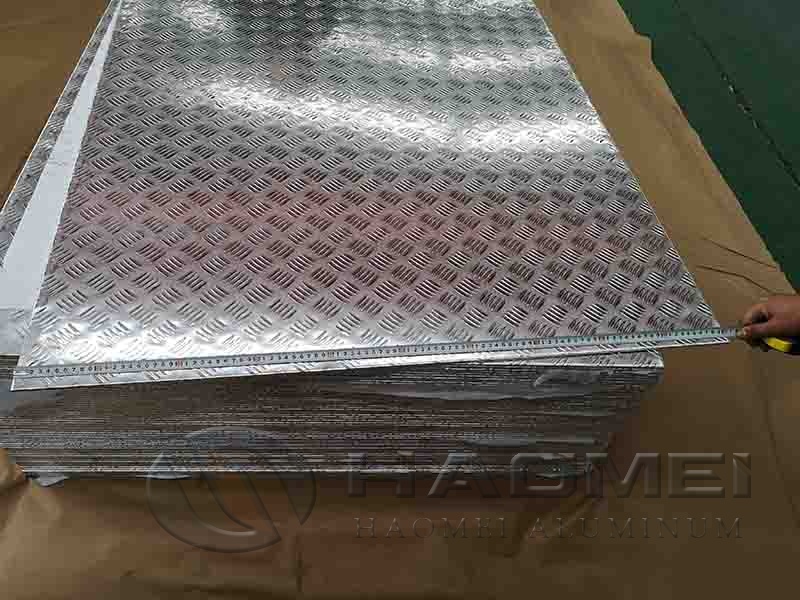
The raised lug is not the structural base. For a 1/4 in tread plate, state whether 6.35 mm is the flat base thickness or the overall height. For load-bearing floors, base thickness is the safer procurement language.
Density of aluminum is approximately 2.70 g/cm3. A 6.35 mm flat plate weighs about 17.15 kg/m2, or 3.51 lb/ft2, before the raised pattern. The pattern often adds material, so confirm the mill's theoretical weight.
| Item | Calculation basis | Practical use |
|---|---|---|
| Base thickness | 6.35 mm, 0.250 in | Structural comparison |
| Approx. flat weight | 17.15 kg/m2 | Freight and handling estimate |
| 4 ft x 8 ft flat weight | About 112 lb, 51 kg | Warehouse planning |
| Pattern allowance | Confirm with producer | Invoice weight check |
| Thickness check point | Flat valley, not raised lug | Incoming inspection |
Receiving teams should measure several points with a calibrated micrometer on the flat valley between lugs. Record coil or plate number, heat number, and measured locations. If a supplier quotes 1/4 in but delivers 6.0 mm base with a raised tread reaching 6.35 mm, the material may not meet the intended floor design.
A checker pattern does not make every aluminum alloy suitable for the same job. Corrosion, weldability, forming, and strength vary by alloy and temper.
| Alloy and temper | Strength profile | Corrosion resistance | Best-fit applications | Watch point |
|---|---|---|---|---|
| 3003-H22 or H24 | Moderate | Good atmospheric resistance | Decorative panels, light floors, tool boxes | Lower load capacity than 5052 or 6061 |
| 5052-H32 | Higher than 3003 | Very good, including marine atmospheres | Vehicle floors, ramps, dock plates, wet areas | Costs more than 3003 in many markets |
| 6061-T6 | High structural strength | Good, but less marine resistant than 5052 | Bolted platforms, machinery guards, structural parts | Lower formability; check bend radius |
For wet, coastal, or chemical washdown areas, 5052 checker plate is often preferred because magnesium improves corrosion performance versus 3003. For welded assemblies, verify filler metal and post-weld strength expectations with the fabricator. For bent parts, do not substitute 6061-T6 without confirming bend radius, because cracking risk is higher than with 3003 or 5052 tempers.
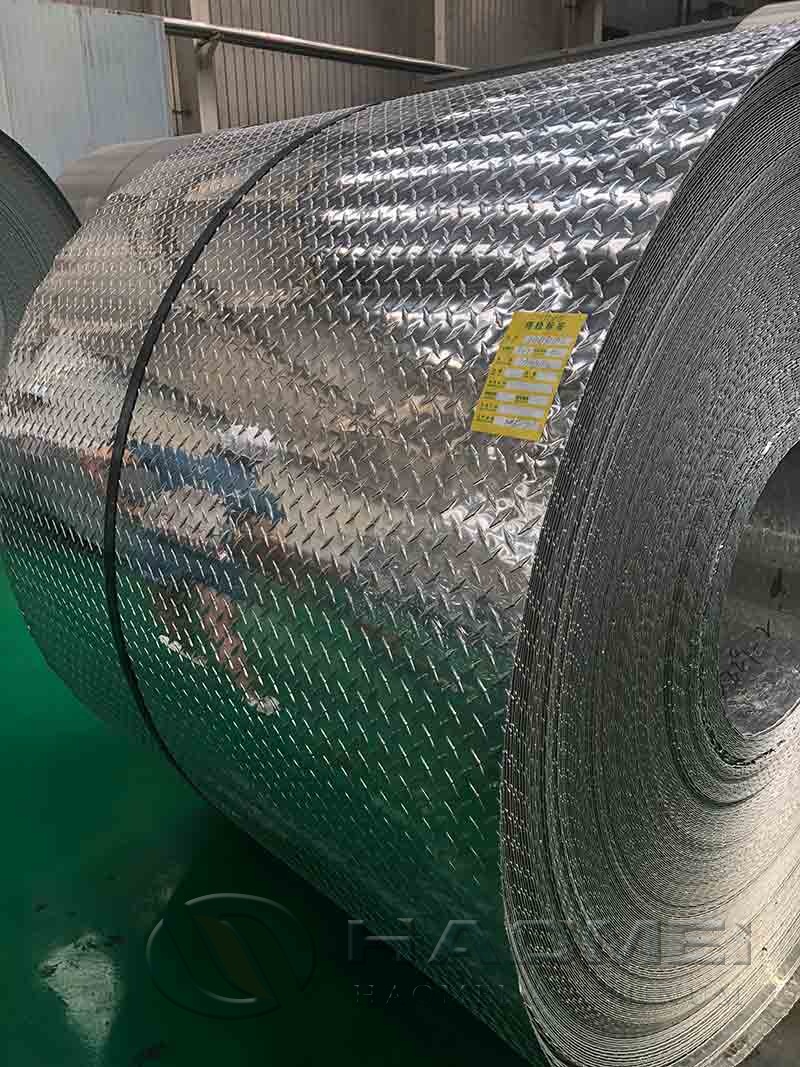
Checker plate is made from cast slab that is scalped, homogenized, hot rolled, cold rolled when required, and then passed through patterned rolls to raise the tread. It may be supplied as cut plate or processed from larger parent stock.
Surface control matters because tread plate is often visible and exposed to foot traffic. Ask for the permitted level of scratches, water stains, oil residue, edge burrs, and black marks from handling. If the plate will be anodized, painted, or bonded, specify clean and dry surface requirements before production.
A practical purchase specification should include:
Alloy and temper, such as 5052-H32 or 3003-H22.
Base thickness, width, length, and thickness tolerance standard.
Pattern type, such as diamond or five-bar.
Surface finish and PVC film requirement, if needed.
Edge condition, flatness, and diagonal tolerance.
Mill test certificate requirement.
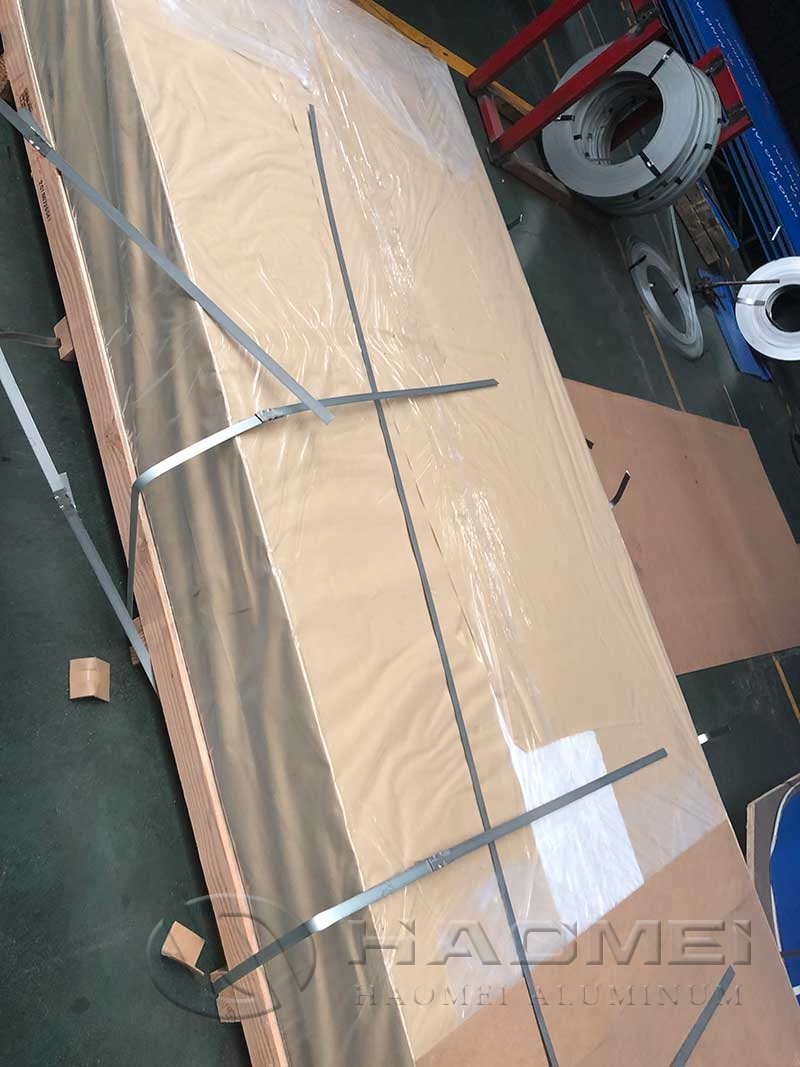
Packaging method for export, sea freight, or long storage.
For diamond plate thickness, avoid relying on catalog wording alone. Put the measurement method in the purchase order: base thickness measured away from raised lugs.
For North American supply, ASTM B209/B209M is commonly used for aluminum and aluminum-alloy flat products. In Europe, EN 485 covers technical conditions, mechanical properties, tolerances, and related requirements, while EN 573-3 defines chemical composition. Many industrial users request an EN 10204 type 3.1 inspection certificate showing alloy, temper, chemistry, mechanical test data, and traceability.
Compliance documents may also be required for regulated markets:
| Requirement | What to verify | Common document |
|---|---|---|
| ASTM or EN material standard | Alloy, temper, tolerance | Mill test certificate |
| RoHS Directive 2011/65/EU | Restricted substances for electrical markets | Supplier declaration |
| REACH Regulation EC 1907/2006 | SVHC declaration for EU trade | REACH statement |
| Country of origin | Tariff and trade compliance | COO certificate or invoice statement |
| Packaging wood control | International shipping | ISPM 15 mark when wood is used |
Do not accept generic anti-slip claims without test context. Tread geometry improves traction versus smooth plate, but actual slip performance changes with oil, water, dust, ice, footwear, slope, and cleaning practice. OSHA walking-working surface rules in 29 CFR 1910 Subpart D require safe working surfaces, but they do not assign one universal coefficient of friction for every aluminum tread plate. For a formal slip rating, specify the test method, such as ASTM E303 pendulum testing or DIN 51130 ramp testing, and define the surface condition.
The aluminum checker plate price is normally built from metal value plus processing and logistics. The metal value tracks exchange-traded aluminum, commonly referenced to the London Metal Exchange, plus regional premiums such as the U.S. Midwest premium where applicable. Conversion cost then reflects alloy, temper, pattern, width, thickness, order volume, cutting, film protection, packing, and credit terms.
| Cost driver | Why it changes the price | Procurement action |
|---|---|---|
| LME aluminum movement | Primary metal cost volatility | Use quote validity dates |
| Regional premium | Local supply-demand and logistics | Compare same delivery basis |
| Alloy | 5052 and 6061 need different alloying inputs | Avoid alloy substitution without approval |
| Pattern and surface | Embossing rolls, inspection, film | Define acceptable cosmetic level |
| Plate size | Cutting yield affects scrap | Standardize dimensions where possible |
| Freight | Weight, crate size, destination | Confirm gross and net weight |
Market cycles often follow construction demand, trailer and truck body production, marine fabrication, energy projects, and inventory restocking. During tight cycles, lead times and regional premiums can rise even if LME aluminum is stable. During destocking, distributors may discount common sizes, but nonstandard alloy-temper-size combinations can still require mill production.
Use this checklist before releasing payment or production approval:
Confirm base thickness is 6.35 mm, not overall tread height.
Match alloy and temper on the certificate to the purchase order.
Check ASTM B209/B209M or EN 485 tolerance reference.
Verify pattern type and orientation across plates.
Measure flatness, length, width, and diagonal difference.
Inspect surface for stains, dents, white rust, trapped moisture, and film damage.
Confirm theoretical and actual weight against the packing list.
Keep samples from each heat or lot for dispute resolution.
For recurring programs, approve one golden sample showing acceptable pattern height, brightness, edge condition, and packaging. This reduces disputes when supply shifts between mills, service centers, or production campaigns.
With the development of dozens of years, we, Haomei Aluminum has solid base to provide clean aluminum material for the high-end applications including lithium-ion battery, lightweight automobile body, 3c products, aluminum brazing and other special uses.