



Phone:
+86-15978414719
Publish Time: 2026-07-14 Origin:https://www.hmaluminumsupply.com
Selecting between 3105 and 3003 aluminum is most important when the finished part will be painted, formed, or exposed to weather. Both are non-heat-treatable alloys in the 3xxx series, and both are widely supplied in flat-rolled forms. However, their alloy chemistry, typical applications, and production controls are not interchangeable.
For architectural panels, gutters, trailer components, appliance parts, and coated building products, painted-surface performance after forming is often the main concern. The alloy must support coating adhesion, consistent bend quality, stable flatness, and reliable corrosion resistance in service.
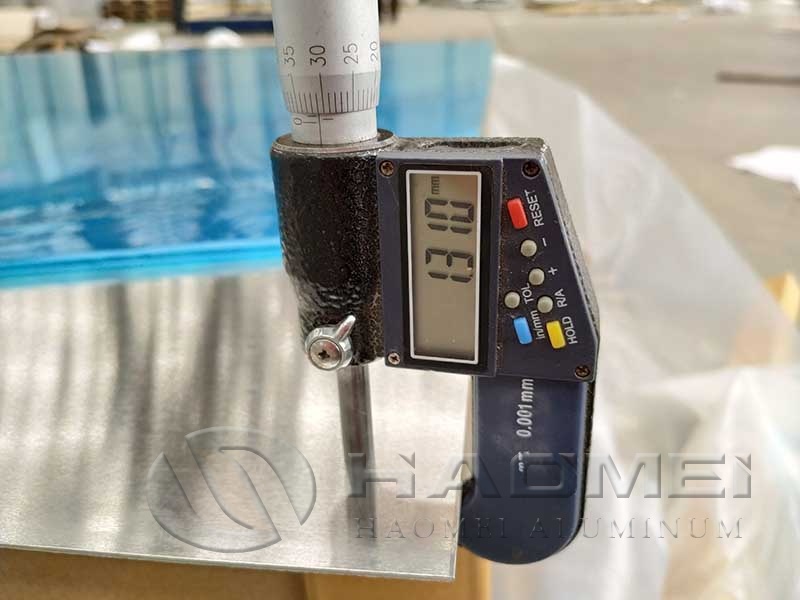
The Aluminum Association designates both alloys as manganese-containing wrought aluminum grades. 3003 contains more manganese, while 3105 includes magnesium as an additional strengthening element. These chemical differences affect temper selection, forming behavior, and suitability for coated architectural products.
| Item | 3003 Aluminum | 3105 Aluminum | Purchasing Impact |
|---|---|---|---|
| Principal alloying element | Manganese | Manganese and magnesium | 3105 is commonly selected for coated building applications. |
| Manganese range | 1.0-1.5% | 0.30-0.80% | 3003 has higher manganese content. |
| Magnesium range | Not specified as a principal addition | 0.20-0.80% | Magnesium contributes to 3105 strengthening behavior. |
| Copper range | 0.05-0.20% | 0.30% maximum | Both require mill test certificate verification. |
| Heat treatment | Non-heat-treatable | Non-heat-treatable | Strength is obtained mainly through cold work and temper. |
| Common use | Heat exchangers, cookware, tanks, general fabrication | Roofing, siding, gutters, painted panels, building trim | Match the alloy to the finished application. |
Chemical limits should be confirmed against the applicable product standard. ASTM B209 covers aluminum and aluminum-alloy plate and flat-rolled products, while EN 573-3 is commonly used for chemical composition requirements in European specifications. Do not approve material solely by the alloy name: thickness, temper, dimensional tolerances, coating system, and end-use environment also affect performance.
3003 is often chosen where general-purpose formability and established industrial use are priorities. Its higher manganese content supports moderate strength and good workability. It is widely used in evaporators, heat-transfer components, cooking utensils, storage equipment, and fabricated parts.
3105 is frequently specified for pre-painted construction products. The alloy is commonly used in coil-coated roofing, wall cladding, rainwater systems, and trim because it can be processed in practical tempers for roll forming and bending. For exterior applications, alloy selection must be paired with an appropriate pretreatment and coating system.
Neither grade should be assumed to provide marine-grade corrosion resistance. Where continuous salt spray, chloride deposits, or marine immersion is expected, 5xxx-series alloys may be more appropriate after engineering review.
For painted construction metal, selecting 3105 is usually justified by its established use in coil-coated architectural systems. That does not mean every 3105 product will perform the same way. Coating durability depends on substrate cleaning, conversion coating, primer, topcoat, curing conditions, film thickness, and fabrication radius.
| Requirement | More Suitable Starting Point | What to Specify |
|---|---|---|
| Pre-painted roofing or wall panels | 3105 | Temper, paint type, coating thickness, color tolerance, bend test requirement |
| Gutters and downspouts | 3105 | Minimum bend radius, coating adhesion, outdoor exposure condition |
| Deep drawing or general formed parts | 3003-O or another suitable soft temper | Drawing depth, lubrication method, earing tolerance, surface condition |
| Heat-transfer fabrication | 3003 | Temper, brazing compatibility, conductivity requirement, thickness tolerance |
| Uncoated indoor fabricated products | 3003 | Surface finish, flatness, protective film, fabrication method |
A practical specification for exterior painted products should identify the coating standard rather than simply stating "painted aluminum." For example, AAMA 2605 is a recognized performance specification for high-performance organic coatings on architectural aluminum extrusions and panels. It includes requirements for weathering, color retention, chalk resistance, humidity resistance, and adhesion. The applicable coating standard should be confirmed with the project specification because requirements vary by market and building system.
For projects requiring a fluoropolymer finish, a PVDF Coated Pre Painted Buidling Material Aluminum Sheet for Exterior Construction can align with exterior durability requirements when the stated substrate alloy, coating thickness, and performance test data meet the project documents.
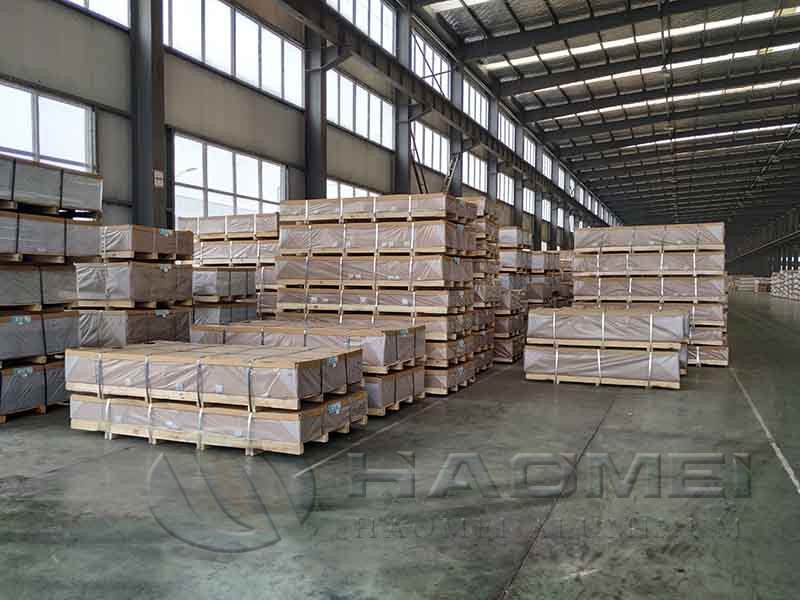
Use this checklist before releasing a production order for 3105 or 3003 aluminum.
State the alloy and temper together. "3105-H24" and "3003-H14" are materially different purchase requirements. Alloy alone does not define strength or formability.
Define the final process. Identify roll forming, press bending, stamping, drawing, slitting, blanking, or welding. The processor needs this information to recommend an appropriate temper.
Set dimensional tolerances. Include thickness tolerance, width tolerance, length tolerance, camber, flatness, burr direction, and allowable edge condition. Thin-gauge material is especially sensitive to handling and tension control.
Specify the surface condition. For painted or laminated products, state mill finish, degreased surface, conversion treatment, protective film, or coating system. For exposed surfaces, define acceptable scratches, oil marks, roll marks, and color variation.
Request traceability documents. Require a mill test certificate showing heat or lot identification, chemistry, mechanical test results where applicable, dimensions, and temper. ASTM B209 should be stated when it is the governing standard.
Agree on acceptance testing. For coated metal, include coating thickness measurement, cross-hatch adhesion testing, T-bend or bend testing, gloss, color measurement, and visual inspection criteria. Test methods should be named in the purchase specification.
Protect finished surfaces in transit. Confirm interleaving, protective film, moisture barriers, pallet design, and storage instructions. A product with an approved coating can still be rejected if handling creates abrasion, water staining, or edge damage.
For uncoated fabricated panels requiring scratch protection during processing, Factory Customized Aluminium Aluminum Plain Flat Plate with PE Film One Side may help define film requirements before cutting and forming.
Material pricing should be evaluated as a documented quote structure: aluminum market reference, conversion charge, coating charge where applicable, width and thickness yield, packaging, testing, and delivery terms. Comparing only price per tonne can hide differences in temper, coating quality, tolerance control, and certified inspection scope.
The practical choice is straightforward: specify 3105 when producing pre-painted architectural and roll-formed products, and use 3003 when general fabrication, drawing, or heat-transfer use drives the requirement. In both cases, a complete alloy-temper-coating specification is the most effective way to control finished-part performance.
With the development of dozens of years, we, Haomei Aluminum has solid base to provide clean aluminum material for the high-end applications including lithium-ion battery, lightweight automobile body, 3c products, aluminum brazing and other special uses.