



Phone:
+86-15978414719
Publish Time: 2026-11-03 Origin:https://www.hmaluminumsupply.com
Marine hulls, offshore structures, workboats, and chemical-service equipment face a recurring material problem: corrosion can begin long before a visible coating failure occurs. 5086 aluminum plate is widely specified where welded, non-heat-treatable 5xxx aluminum must retain dependable corrosion resistance in seawater exposure.
The most important purchasing concern is not simply alloy name or thickness. It is verifying that the material, temper, test records, and fabrication method are suitable for the actual marine corrosion risk. This article provides a practical specification process for reducing exfoliation-corrosion and documentation risk.
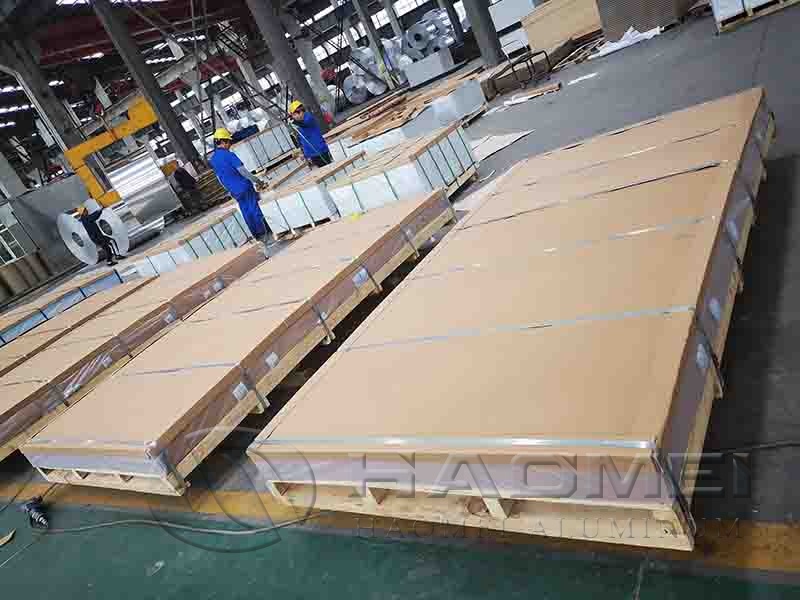
Alloy 5086 is an aluminum-magnesium alloy strengthened principally through strain hardening rather than heat treatment. Its magnesium content supports strong marine-service performance, but high-magnesium 5xxx alloys require controlled processing and suitable tempers when they will operate in warm, wet, or salt-laden environments.
According to the Aluminum Association alloy composition limits, 5086 typically contains 3.5% to 4.5% magnesium, 0.20% to 0.70% manganese, and 0.05% to 0.25% chromium. Maximum limits include 0.40% silicon, 0.50% iron, 0.10% copper, and 0.25% zinc. A mill test certificate should report the actual heat chemistry, not only nominal alloy identification.
| Requirement | Why It Matters | What to Request |
|---|---|---|
| Alloy chemistry | Confirms the heat meets 5086 composition limits | Heat-specific chemical analysis on the mill certificate |
| Temper | Determines strength, formability, and corrosion qualification route | H116 or H321 temper stated on certificate and packing label |
| Product standard | Defines applicable plate requirements | ASTM B928/B928M edition stated in the purchase specification |
| Corrosion evidence | Reduces uncertainty for severe marine exposure | ASTM G66 and/or ASTM G67 test record when required |
| Traceability | Connects delivered plates to test results | Heat number, plate number, dimensions, and quantity on documents |
ASTM B928/B928M is particularly relevant because it covers high-magnesium aluminum-alloy plate intended for marine service and similar environments. It includes 5086 among applicable alloys. Do not assume that every plate sold as 5086 automatically meets ASTM B928 requirements; the standard must be expressly specified and certified.
For projects with elevated corrosion exposure, request the test method and acceptance requirement, not just a statement such as "marine grade." ASTM G66 evaluates exfoliation-corrosion susceptibility through the ASSET test, while ASTM G67 uses the nitric acid mass loss test, commonly called NAMLT. The applicable acceptance criteria should match the governing material specification, vessel rule, or engineering requirement.
H116 and H321 are frequent temper selections for corrosion-sensitive marine applications. H116 is a strain-hardened temper with controlled properties intended for improved resistance to exfoliation corrosion. H321 is strain hardened and stabilized, supporting stable properties after a low-temperature thermal treatment. The correct choice depends on design strength, forming operations, welding sequence, and specified corrosion qualification.
| Alloy | Magnesium Range | Typical Strength Position | Marine Corrosion Focus | Common Selection Logic |
|---|---|---|---|---|
| 5052 | 2.2% to 2.8% | Moderate | Good general corrosion resistance | Light fabricated components and moderate-duty structures |
| 5086 | 3.5% to 4.5% | High | Strong marine-service suitability with correct temper | Welded hull structure, tanks, decks, and offshore fabrication |
| 5083 | 4.0% to 4.9% | High | Frequently used in demanding marine structures | Higher-strength marine designs subject to project requirements |
For related marine-grade options, 5083 H321 H111 H32 H22 Marine High Corrosion Resistant Aluminum Plate can be evaluated where the design specification permits an alternative alloy and temper combination.
Use this order of operations when preparing an inquiry or purchase specification:
Do not select temper solely by a tensile-strength figure. Published mechanical properties vary by thickness and temper, and welded areas will not retain the same properties as unaffected parent metal. Engineering calculations should use the applicable design-code values for the specified condition.
Welding and post-fabrication contamination are common sources of premature marine corrosion. 5086 is generally weldable by MIG and TIG processes, but filler selection, heat input, joint design, and cleaning discipline should be set by a qualified welding procedure specification.
For many aluminum-magnesium marine weldments, 5183, 5356, or 5556 filler metals may be considered depending on service temperature, strength requirements, and applicable welding code. The welding engineer should make the final filler selection. Avoid using a generic filler recommendation without reviewing the joint design and operating conditions.
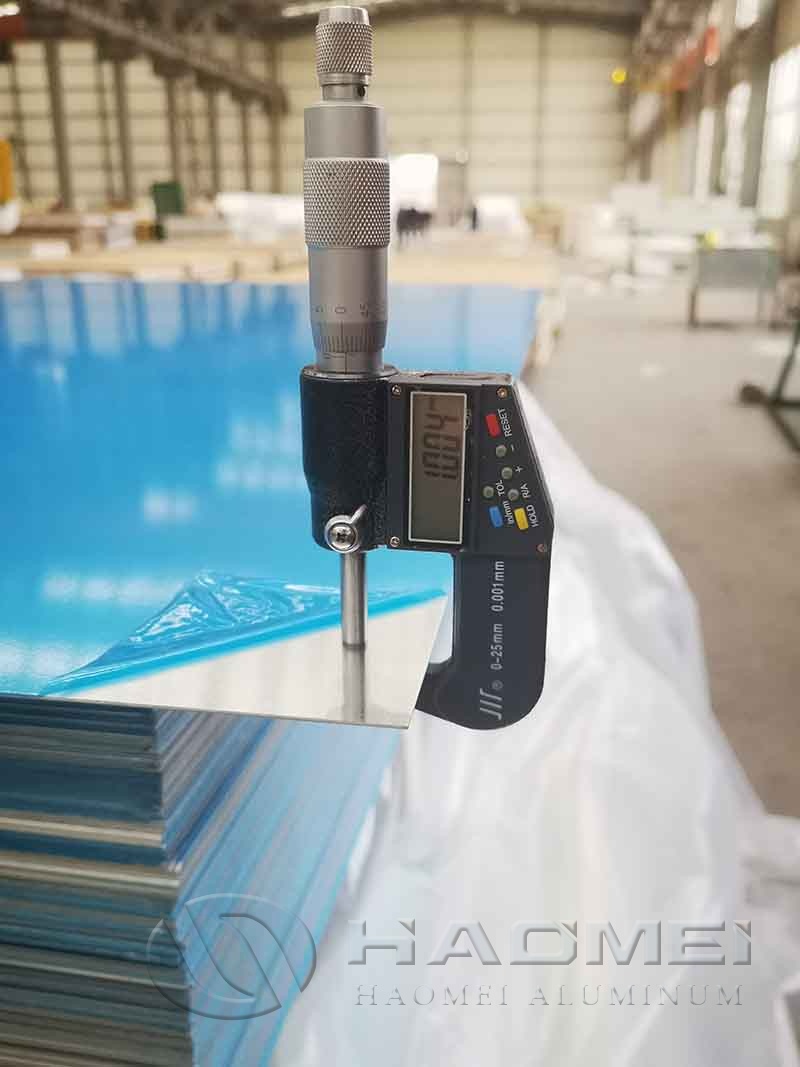
Apply these fabrication checks before releasing material to production:
For thinner corrosion-resistant marine components, Strong Corrosion Resistance Warship Cruise 2.0-4.0mm Aluminum Sheet may suit applications where the drawing calls for material within that thickness range.
Pricing should be reviewed as a documented formula rather than a single alloy surcharge. A credible quotation normally separates the LME aluminum reference, regional premium, alloy and rolling conversion, temper and testing requirements, dimensional yield loss, protective packaging, freight, and certification costs. Ultrasonic inspection, corrosion testing, custom width, close flatness, and short production runs can materially affect conversion cost.
Reference documents for verification include ASTM B928/B928M for marine aluminum-alloy plate, ASTM G66 for exfoliation-corrosion testing, ASTM G67 for nitric-acid mass-loss testing, EN 10204 for inspection documents, and the Aluminum Association registration record for 5086 chemical composition.
With the development of dozens of years, we, Haomei Aluminum has solid base to provide clean aluminum material for the high-end applications including lithium-ion battery, lightweight automobile body, 3c products, aluminum brazing and other special uses.