



Phone:
+86-15978414719
Publish Time: 2026-06-09 Origin:https://www.hmaluminumsupply.com
For industrial flooring, trailer decks, dock plates, ramps, service trucks, stairs, and wall protection, 3/16 inch 4 ft x 8 ft aluminum diamond plate is often selected for one practical reason: it gives a strong walking surface without the corrosion risk and weight penalty of carbon steel.
The top concern is not only nominal thickness. It is usable base thickness plus raised tread height, because that affects weight, fit-up, bending, fasteners, freight cost, and installed durability.
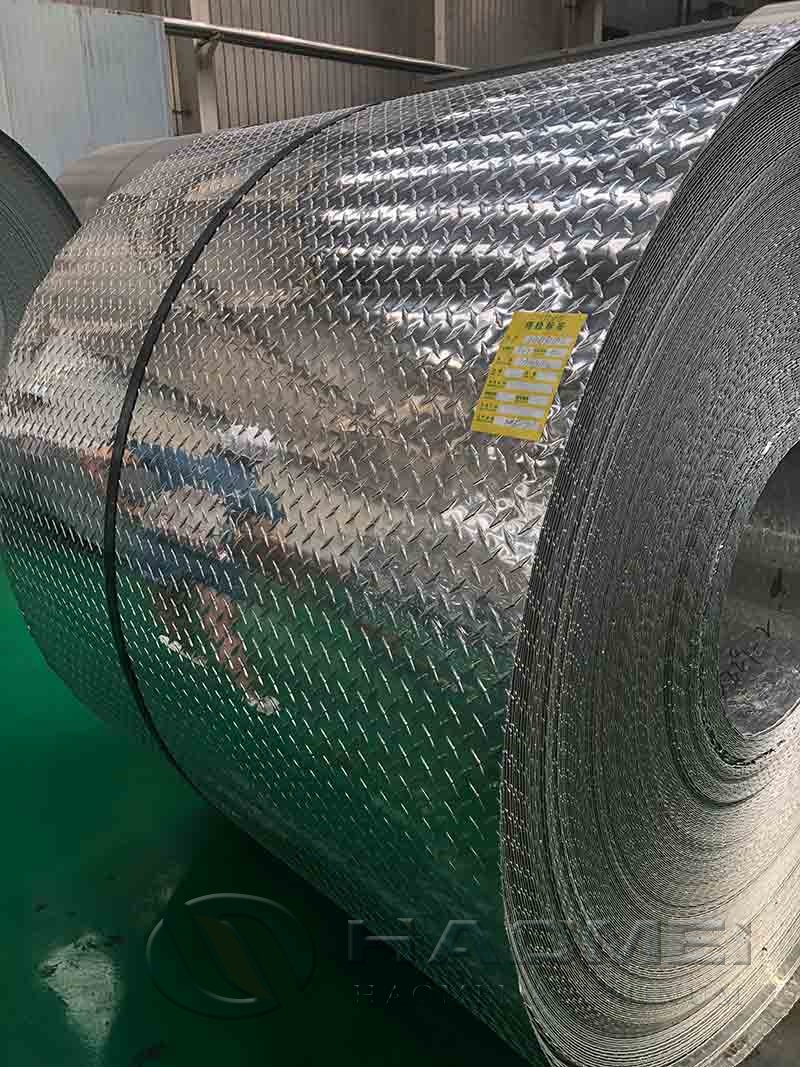
A 4x8 aluminum diamond plate 3/16 usually refers to a rectangular panel measuring 48 in x 96 in with a nominal base metal thickness of 0.1875 in. The raised diamond pattern is rolled into the surface and is not normally included in the base thickness unless the supplier states otherwise.
For purchasing teams specifying aluminum diamond plate, ask whether the quoted thickness is measured over the tread or at the flat base. This single detail prevents mismatched drawings, underestimated weight, and clearance problems under doors, hinges, or mounting rails.
Common standards and references include ASTM B632/B632M for aluminum-alloy rolled tread plate and ASTM B209/B209M for aluminum and aluminum-alloy flat products. Current revisions should be checked at the time of contracting, because dimensional tolerances depend on alloy, temper, thickness, and width.
| Item | Practical specification point | Why it matters |
|---|---|---|
| Nominal size | 48 in x 96 in | Standard warehouse and fabrication format |
| Base thickness | 0.1875 in, or 3/16 in | Controls load capacity and machining allowance |
| Approx. flat weight before tread | 84.2 lb per panel | Calculated from 48 x 96 x 0.1875 x 0.0975 lb/in³ |
| Pattern contribution | Supplier-specific | Raised diamonds add weight and height |
| Density reference | About 2.70 g/cm³ for aluminum | Used for freight and handling estimates |
| Standard reference | ASTM B632/B632M | Applies to rolled tread plate requirements |
The calculated 84.2 lb is a baseline, not a certified shipping weight. A real tread plate can be heavier due to the raised pattern. For container planning or crane loading, request actual scale weight or a packing list weight from the mill or distributor.
The two most common alloy routes are 3003 and 6061. Each solves a different problem.
| Option | Typical temper | Strength profile | Fabrication behavior | Common use |
|---|---|---|---|---|
| 3003 tread plate | H22 or similar | Moderate strength | Better formability and workability | Toolboxes, panels, decorative guards, light floors |
| 5052 tread plate | H32 or similar | Higher corrosion resistance than 3003 in marine atmospheres | Good forming performance | Marine decks, wet environments, transport parts |
| 6061 tread plate | T6 often requested | Higher mechanical strength | Less formable than 3003; bending needs care | Structural platforms, ramps, heavy-duty fixtures |
For 3003 aluminum plate, the advantage is clean forming and good general corrosion resistance. For wet or coastal service, 5052 is often considered because of its magnesium content and improved marine performance. For structural use, 6061-T6 may be specified, but bend radius and cracking risk must be reviewed before production.
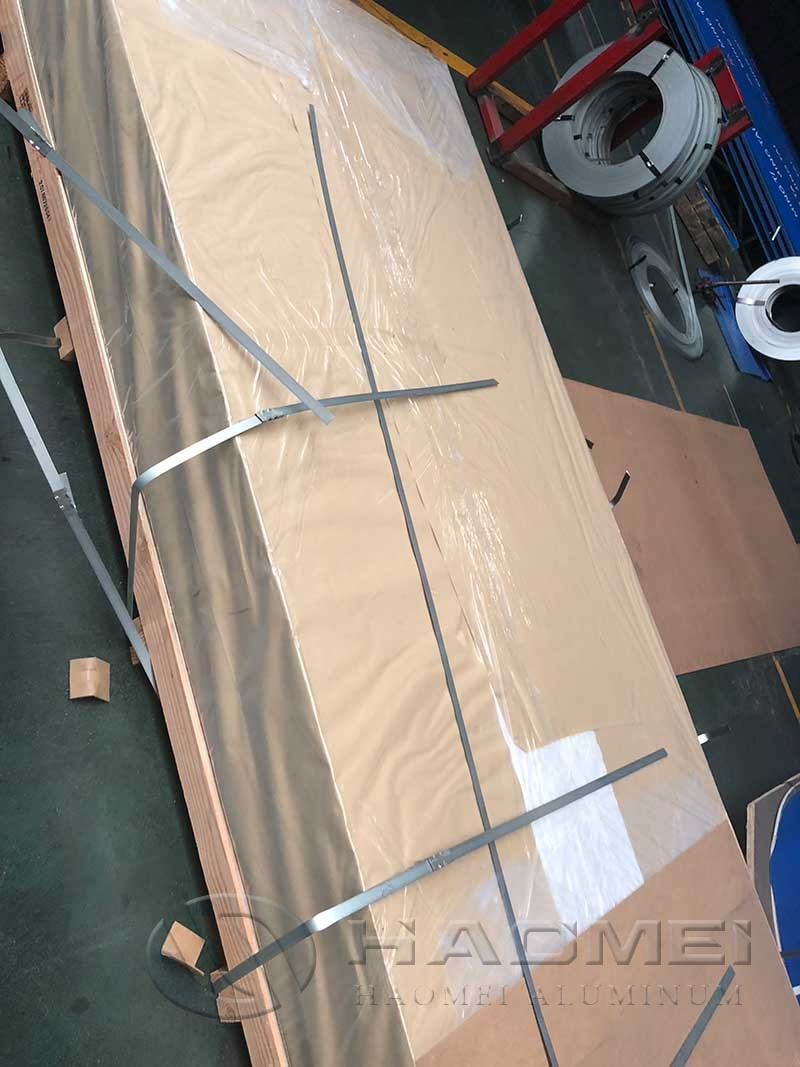
Finish also affects performance. Mill finish is economical and common for industrial floors. Bright finish improves appearance for trims and retail-facing panels but can show scratches. Anodizing compatibility should be confirmed by alloy and pattern, because raised areas and valleys may not present a perfectly uniform visual result.
Use this inspection checklist before releasing a volume order:
Confirm alloy and temper on the material test report.
State whether thickness is base thickness or overall thickness over tread.
Specify pattern orientation if panels will be joined visually.
Define tolerance standard, preferably by ASTM B632/B632M or agreed mill tolerance.
Require protective film or interleaving if surface appearance is critical.
Confirm edge condition: sheared, sawn, deburred, or laser-cut blank.
Verify pallet weight limits for forklift, rack, and export container handling.
Safety claims should be handled carefully. Raised diamonds can improve traction compared with smooth metal, but slip resistance depends on contamination, footwear, slope, drainage, and maintenance. In the U.S., OSHA walking-working surface rules are found in 29 CFR 1910 Subpart D. They require surfaces to be kept clean, orderly, and sanitary; they do not turn any tread pattern into a universal anti-slip rating.
There is no reliable universal price for 3/16 aluminum tread plate because aluminum pricing changes with the market. A transparent quotation usually contains four parts: metal value, regional premium, conversion cost, and freight. Public aluminum benchmarks such as LME aluminum are commonly watched, but delivered price also depends on alloy, temper, quantity, surface requirement, packing, and lead time.
For 4x8 aluminum sheet planning, compare delivered cost per usable panel, not only unit price. Two suppliers may quote the same panel price, while one uses heavier packing, longer lead time, or looser surface protection. Those hidden variables affect final installed cost.
| Cost factor | What to verify | Cost impact |
|---|---|---|
| Alloy | 3003, 5052, or 6061 | Higher strength or marine-grade options can cost more |
| Thickness basis | Base thickness vs over-tread measurement | Prevents weight and fit disputes |
| Finish | Mill, bright, anodized, or coated | Changes processing cost and rejection risk |
| Cutting | Full 4x8 panel or cut-to-size blanks | Can reduce labor but adds processing charge |
| Packaging | Wooden pallet, export crate, film, paper | Important for long-distance freight |
| Certification | MTR, RoHS, REACH, origin document | Needed for regulated projects and audits |
Quality control should start at receiving, not after fabrication. Measure length, width, and thickness with calibrated tools. Inspect for oil stains, water marks, dents, gouges, pattern distortion, and edge burrs. If panels will be welded, machined, bent, or powder coated, test a sample first under the same process settings planned for production.

A practical RFQ for aluminum tread plate should include these exact line items:
Material: aluminum diamond tread plate.
Size: 48 in x 96 in.
Thickness: 3/16 in base metal thickness, unless otherwise stated.
Alloy and temper: for example, 3003-H22, 5052-H32, or 6061-T6.
Standard: ASTM B632/B632M, current revision, or agreed equivalent.
Finish: mill finish, bright finish, anodized, or coated.
Quantity and delivery schedule by release date.
Required documents: MTR, packing list, certificate of origin, compliance declarations if applicable.
Packing: moisture protection, pallet type, maximum pallet weight.
Acceptance criteria: dimensional tolerance, surface condition, edge condition, and replacement process for nonconforming material.
When the application involves ramps, raised walkways, vehicle bodies, or public access areas, involve the project engineer before choosing the alloy. The 3/16 in format is robust, but final capacity depends on span, support spacing, fastening method, dynamic load, and safety factor. A thicker panel, closer supports, or a stronger alloy can be more economical than field repairs after installation.
With the development of dozens of years, we, Haomei Aluminum has solid base to provide clean aluminum material for the high-end applications including lithium-ion battery, lightweight automobile body, 3c products, aluminum brazing and other special uses.