



Phone:
+86-15978414719
Publish Time: 2026-02-25 Origin:https://www.hmaluminumsupply.com
People shopping for 1235 aluminum foil often ask similar questions on Google and QandA communities, especially about purity, temper, safety, and defect control. Below are 5 of the most frequently asked, high intent questions seen recently, with practical answers written for first time purchasers evaluating material and suppliers.
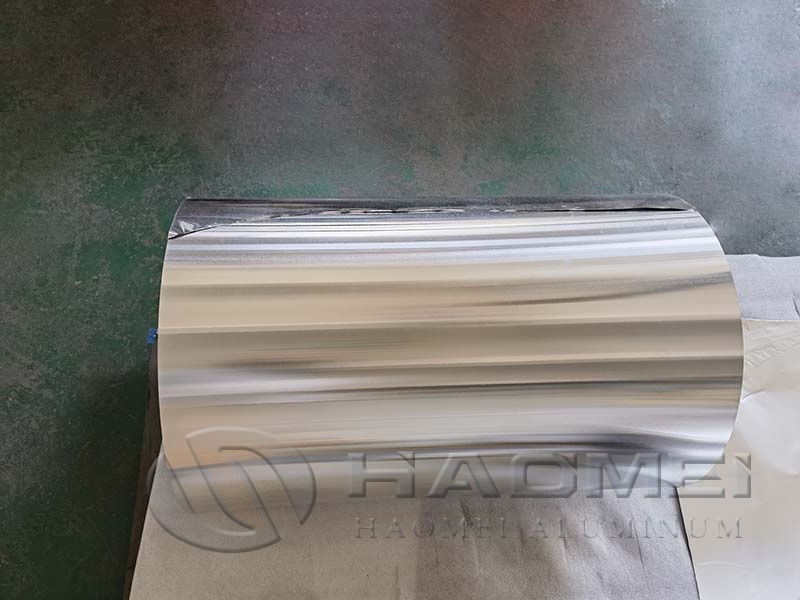
1235 is a commercially pure aluminum alloy, typically around 99.35 percent Al, with the remainder mainly controlled Fe and Si. In foil applications, that high purity matters because it generally brings good ductility, stable forming behavior, and strong surface brightness when rolled well.
Compared with 8011, 1235 usually has slightly higher electrical and thermal conductivity and can be easier to achieve very thin gauges with good elongation. 8011 contains more alloying elements, which can improve strength and some processing windows, so many converters choose between them based on forming, coating, or downstream performance.
Compared with 3003, 1235 is much softer at the same temper and is used far more often for flexible packaging and lamination structures. 3003 has manganese for higher strength and is more common where stiffness is desired.
A fast way to choose:
| If you care most about | 1235 is often chosen because | Alternative you may see |
|---|---|---|
| Very thin gauge and good ductility | High purity and good elongation | 8011 for strength balance |
| Bright surface and clean appearance | Excellent rolling finish potential | 8011 depending on mill practice |
| Flexible packaging and lamination | Softness and formability | 8079 or 8011 in some markets |
1235 aluminum foil can be suitable for food contact, but food safe is not just the alloy number. Safety depends on rolling oils, cleaning and annealing practices, surface residue, and whether the final product complies with the regulations in your target market.
Common buyer questions include whether it is safe for cooking, wrapping, and direct contact. In most normal uses, aluminum foil is widely used for food contact globally, but you should request documentation aligned to your destination:
Practical tip: Ask your supplier to state the intended application, such as food packaging lamination or household use, and provide a matching compliance statement. Also confirm whether one side is treated, coated, or printed, since coatings have their own compliance requirements.
Temper is one of the most searched topics because it directly affects forming, stiffness, and how the foil behaves on a converter line.
A simple selection checklist:
| Your process or product need | Better fit | Why |
|---|---|---|
| Tight folding, complex forming | 1235-O | Lower cracking risk |
| High speed converting with stable web | H18 or similar | Higher stiffness |
| Lamination requiring flatness control | Depends | Flatness is also process controlled |
When quoting, provide not only temper but also target thickness and width, core ID, max OD, and whether you need one side matte or both sides bright. Those details often change the achievable flatness and defect rate more than buyers expect.
If you are sourcing for energy storage related structures, compare specs with purpose built products like 1235 Aluminum Foil For Lithium Ion Battery and broader category options like Ev battery foil, since battery grade expectations for cleanliness and consistency are typically stricter than general packaging.
This is a hot QandA topic because thin foil performance is often decided by defect control rather than the alloy name.
Pinholes and breaks can come from inclusions, rolling issues, rough handling, or poor tension control. For thin gauges, ask your supplier to clarify:
Also confirm the packaging: moisture barrier wrap, desiccant, and edge protection. Many complaints come from transportation damage rather than production.
A practical RFQ line item set that reduces disputes:
| Item to specify | Example wording you can use |
|---|---|
| Thickness and tolerance | 0.009 mm with agreed tolerance and measurement method |
| Pinhole requirement | Max pinholes per m2 at specified gauge |
| Surface cleanliness | Residual oil limit or odor free requirement |
| Slitting quality | Burr control, edge wave limits, telescoping limits |
Recent searches commonly ask for the most orderable ranges and what mills will actually quote without excessive lead time.
Typical commercially available thickness ranges can run from very thin microns for flexible packaging up to heavier gauges for household and industrial uses. Availability depends on the mill, the required temper, and whether you need jumbo rolls or small rolls.
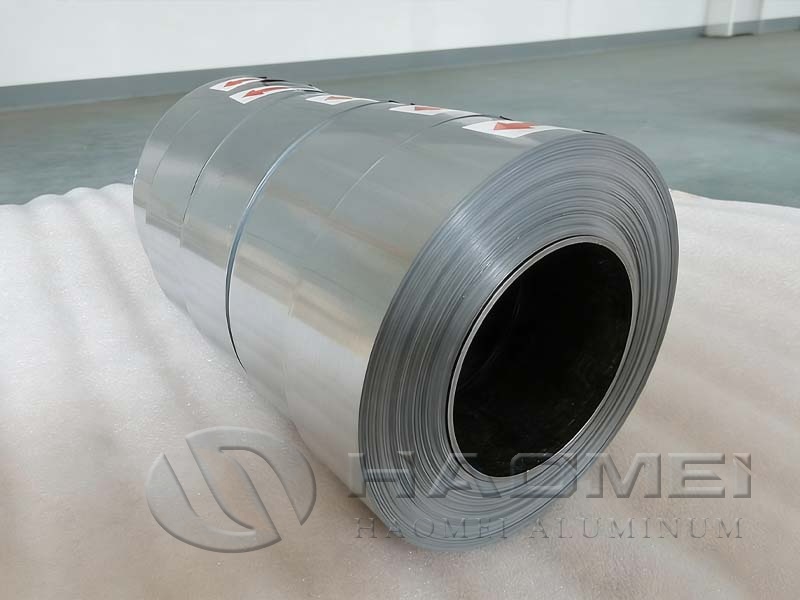
Width capability depends on the rolling mill and slitting capacity. If you need narrow widths, clarify the number of slits, minimum slit width, and whether you need tight width tolerance for automatic splicing.
MOQ is often driven by:
To speed up supplier evaluation, send a quote request that includes:
These questions reduce the risk of receiving foil that looks correct but runs poorly on your line.
| Topic | Question to ask | Why it matters |
|---|---|---|
| Temper and mechanical behavior | Can you share typical elongation and tensile for this gauge and temper? | Predicts cracking and handling |
| Surface and oil | What rolling oil system is used, and what is the residual oil target after anneal? | Impacts odor, adhesion, and sealing |
| Defect control | What is the agreed defect standard, and how is it inspected? | Prevents disputes on pinholes and marks |
| Packaging | How do you protect edges and prevent moisture pickup in transit? | Avoids dents, corrosion, and odor |
With the development of dozens of years, we, Haomei Aluminum has solid base to provide clean aluminum material for the high-end applications including lithium-ion battery, lightweight automobile body, 3c products, aluminum brazing and other special uses.